
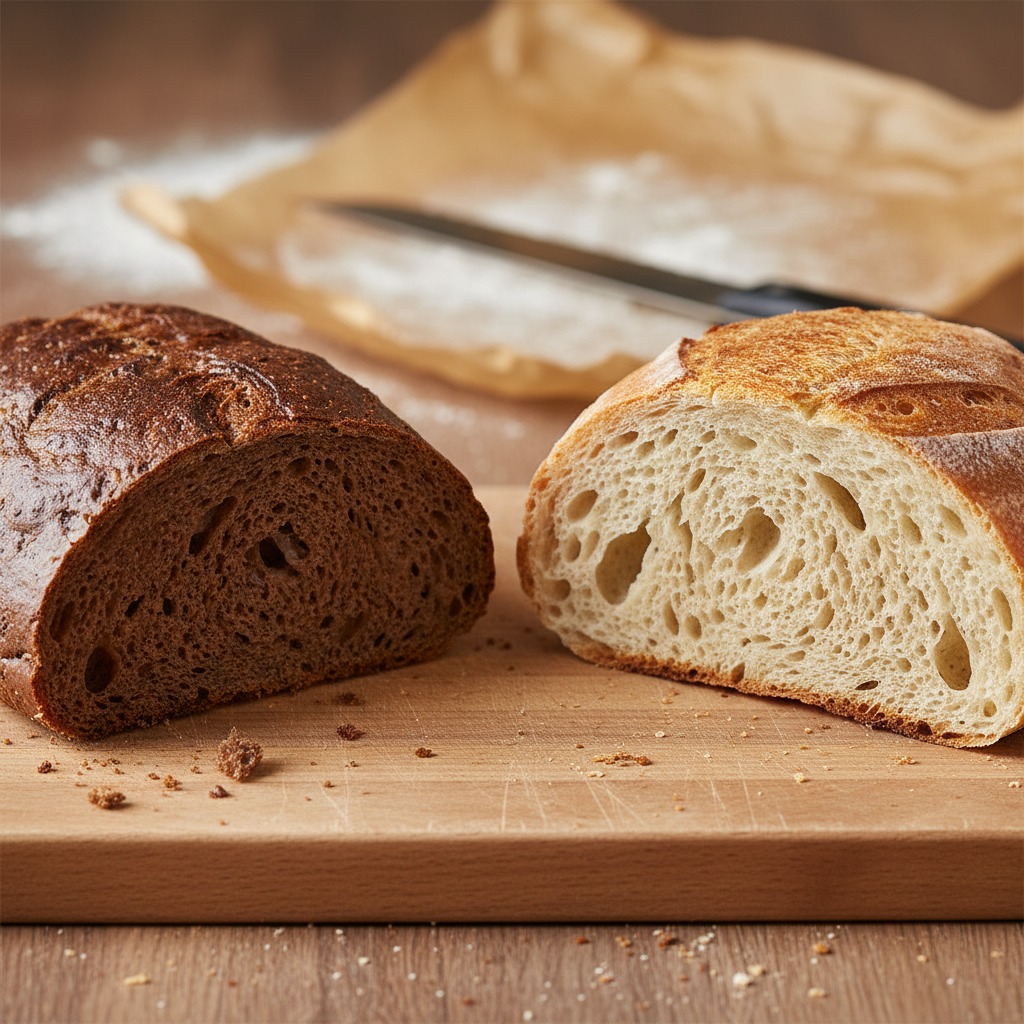

Low-carb bread has a reputation for being disappointing. If you’ve tried several keto bread recipes and ended up with something dense, gummy, or overly eggy, you’re not alone.
The issue usually isn’t your baking skills. It’s the ingredients and structure used in most keto recipes.
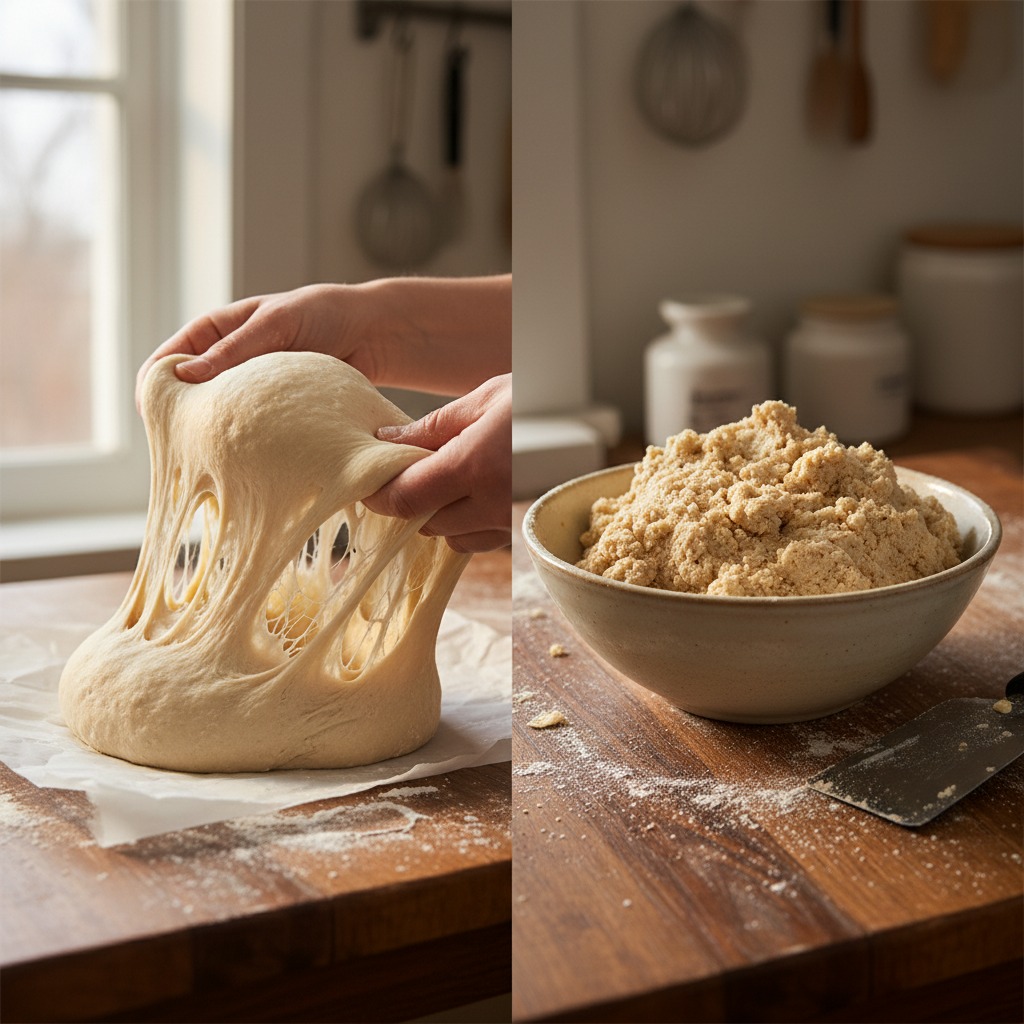
Traditional bread relies on gluten and starch to create structure. Many keto recipes remove those elements completely, but they don’t replace them with anything that performs the same job.
The result is bread that looks promising but collapses into a spongey or rubbery texture.
In this article we’ll break down the most common reasons keto bread fails and explain how the right ingredients can dramatically improve results.
The Role of Structure in Bread
Traditional bread works because of two key components:
• gluten
• starch
Gluten forms a flexible network that traps air bubbles produced by yeast. Starch supports the structure of the loaf as it bakes.
When both of these are removed, the dough has nothing to hold the gas produced during baking. That’s why many keto breads end up dense or flat.
Some recipes try to compensate by adding more eggs, but that leads to another common problem.
Why Almond Flour Often Fails in Bread
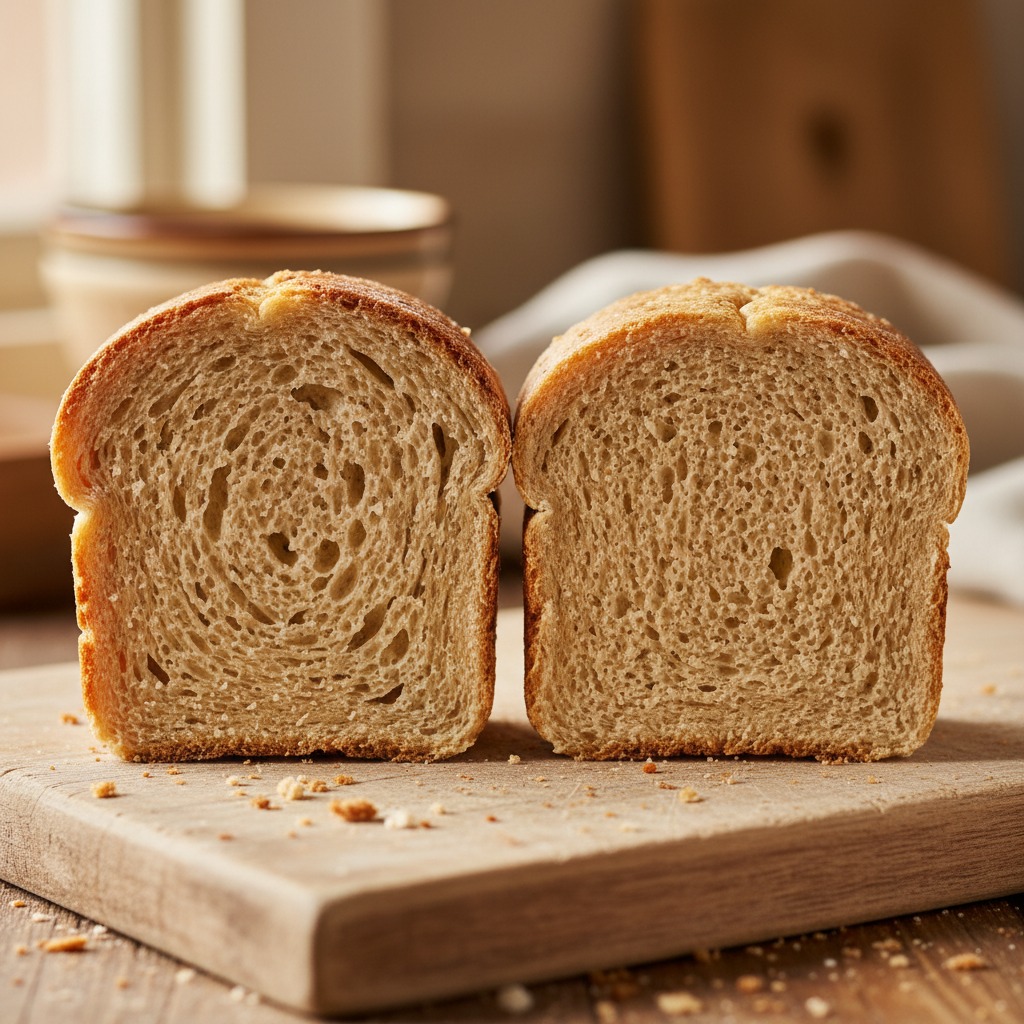
Almond flour is one of the most popular ingredients in keto baking. While it works well in cookies and cakes, it doesn’t behave like wheat flour.
Almond flour is mostly fat and protein with very little structure.
That means:
• it doesn’t trap air effectively
• it produces heavy dough
• baked goods tend to crumble or feel oily
This is why many almond-flour bread recipes end up tasting more like a dense cake than actual bread.
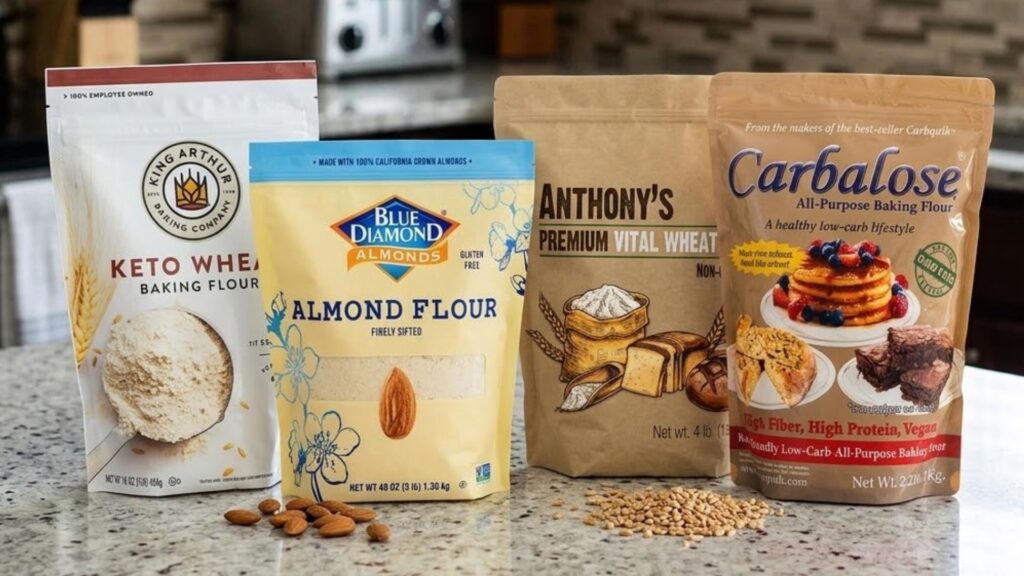
If you’re experimenting with almond flour, using a finely ground product like almond flour can improve texture slightly, but it still won’t replicate traditional bread structure.
The Egg Problem in Keto Bread
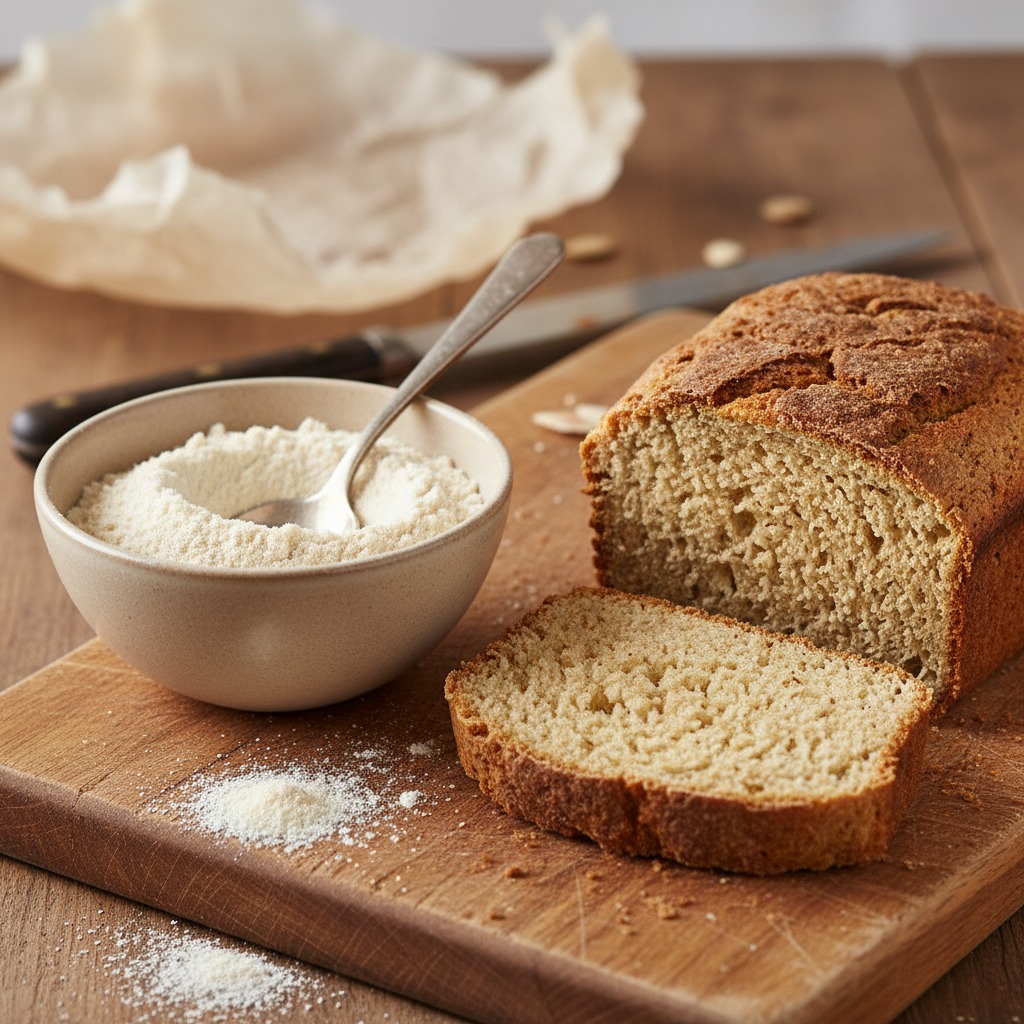
To compensate for the lack of gluten, many keto recipes rely heavily on eggs.
While eggs can add structure, using too many creates other problems:
• rubbery texture
• strong egg flavor
• sponge-like crumb
You may have seen keto bread recipes that use six or even eight eggs in one loaf.
That amount of egg protein creates a texture closer to a soufflé than bread.
Instead of adding more eggs, better results come from introducing ingredients that behave more like traditional flour.
Ingredients That Improve Keto Bread
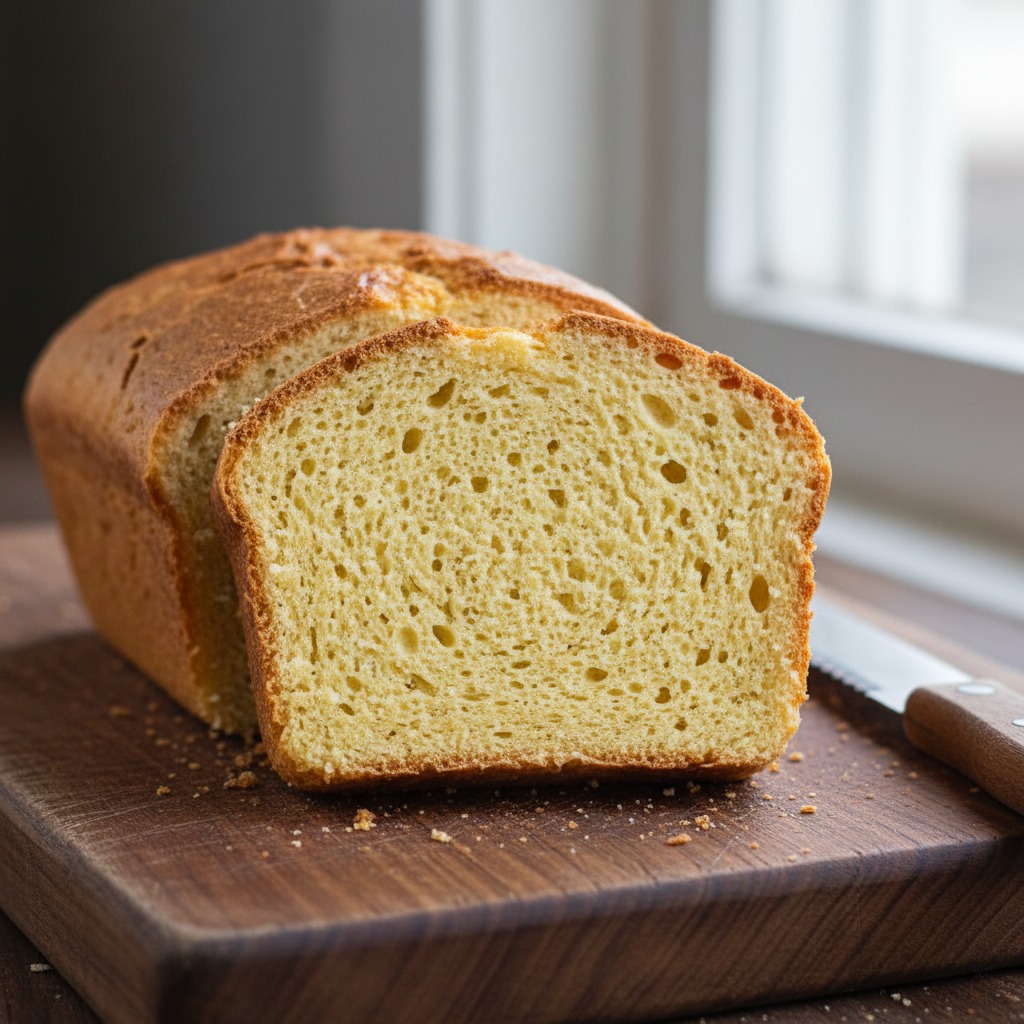
Some ingredients can dramatically improve the structure of low-carb bread.
Two of the most effective are gluten-based flour alternatives and specialty proteins.
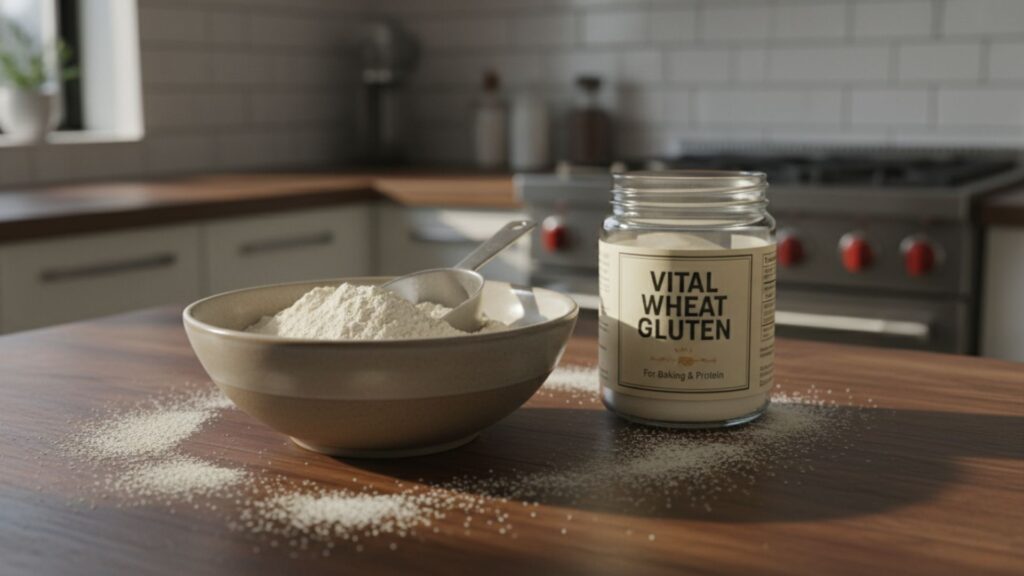
Vital Wheat Gluten
Gluten is the protein responsible for bread elasticity.
Using vital wheat gluten can restore some of the structural properties of traditional dough.
Benefits include:
• better rise
• improved chew
• more realistic crumb
This ingredient is widely used in low-carb baking systems that aim to replicate traditional bread.
Low-Carb Flour Substitutes That Improve Bread Structure
Another category of ingredients that can significantly improve keto bread is low-carb, wheat-based flour substitutes.
These are designed to behave more like traditional flour while still keeping carbohydrate content lower. Unlike nut-based flours, they contain wheat proteins and fibers that help recreate the structure needed for proper dough development.
Because of this, they can produce dough that feels much closer to traditional bread dough, with better elasticity, improved rise, and a more realistic crumb.
Two commonly used options are Carbalose flour and King Arthur Keto Wheat Flour. Both are formulated to act as lower-carb alternatives to standard flour and are often used in recipes that require a true dough structure, such as sandwich bread, rolls, and pizza crust.
Many bakers also combine these flour substitutes with additional ingredients like vital wheat gluten and specialty fibers to further improve elasticity and overall texture.
It’s important to note that these flour substitutes, as well as vital wheat gluten, do contain gluten and are not suitable for those following a gluten-free diet. However, for those who can tolerate gluten, they can dramatically improve the texture and structure of low-carb baked goods.
Tools That Help Bread Bake Properly
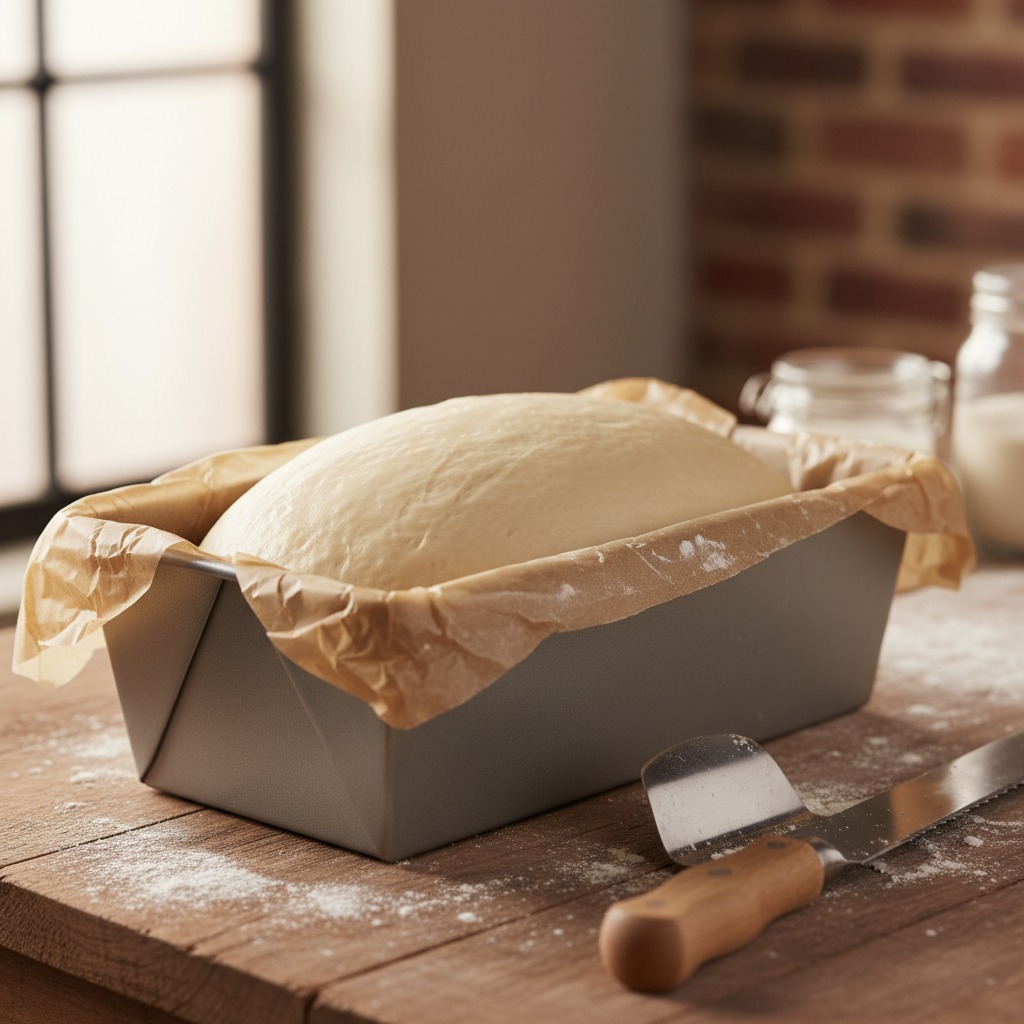
Bread structure is also influenced by the baking vessel you use.
A sturdy loaf pan helps dough maintain its shape during baking.
Many bakers prefer a metal loaf pan such as a bread loaf pan for consistent heat distribution.
This helps the crust form properly while the inside finishes baking.
The Smart Swap Kitchen Approach
Instead of trying to force almond flour to behave like wheat flour, the Smart Swap Kitchen approach focuses on ingredient systems that mimic traditional baking structure.
This includes combinations of:
• gluten-based ingredients
• specialty fibers
• low-carb flour alternatives
Understanding these ingredients makes it much easier to produce bread that tastes and feels like real bread.
Watch the Video Version
This article is part of the Smart Swap Kitchen series on low-carb baking.
In the companion video, we walk through the same concepts visually and show examples of the textures discussed above.
Watch the video:
Why Most Keto Bread Is Dense, Gummy, or Eggy